 ES
ES  EN
EN What is Dry Needling?
Dry needling is an invasive technique primarily used to treat myofascial pain and muscular trigger points. It involves inserting a fine needle (similar to those used in acupuncture) directly into the affected muscle, without injecting any substance, in order to provoke a local response that helps deactivate the trigger point, reduce muscle tone, and relieve pain.
Dry needling helps relieve tension and restore muscle function, improving well-being and mobility.
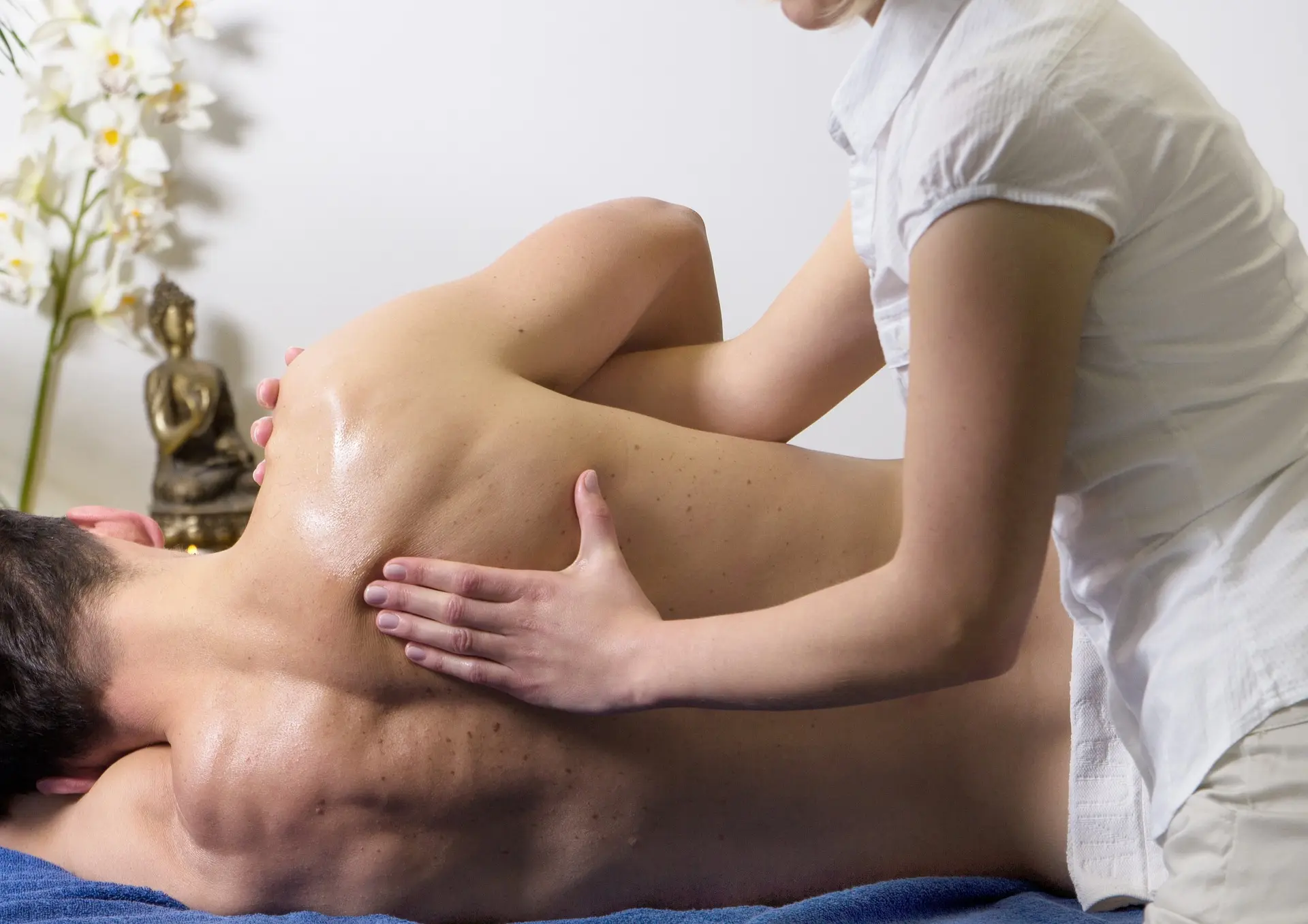
It works by creating a small, controlled lesion that stimulates a neurophysiological and local response, promoting muscle relaxation, improved blood flow, and endorphin release.
When Can I Benefit from Dry Needling?
Dry needling is commonly used to treat a wide range of musculoskeletal disorders, especially those associated with pain and muscle dysfunction, such as:
Myofascial pain syndrome – treatment of trigger points and muscle contractures.
Tendinopathies – improves function and relieves pain in tendons with associated trigger points.
Tension headaches and migraines – relief of cervical muscle-related pain.
Sports injuries – treatment of muscle overloads and imbalances.
Postural imbalances – correction of muscular compensations after immobilization or surgery.
However, treatment is often combined with other physiotherapy techniques, such as therapeutic exercise, stretching, massage therapy, or manual therapy, to enhance its effects and maintain long-term results.
Are There Any Contraindications?
In cases of metal allergies, especially to nickel, standard acupuncture needles cannot be used. Pregnancy is not considered a contraindication, but if you are pregnant, you should inform us. Patients treated with anticoagulants are more prone to bruising, while immunocompromised or lymphadenectomized individuals may be at greater risk of infection. In cases of hypothyroidism, mild swelling may occur in the treated muscle, and dry needling should be avoided in skin conditions such as psoriasis.
Are There Any Side Effects?
During dry needling it is common to experience discomfort in the treated area or nearby regions, which usually disappears within a few hours, although it may last up to 48 hours depending on individual sensitivity. The most common side effects are mild, such as bruising, muscle twitching, or slight irritation. Infections are very rare if proper care is followed, such as avoiding swimming pools for 24 hours. If you feel a sharp electrical sensation or unusual pain, notify your physiotherapist so the technique can be adjusted.