 ES
ES  EN
EN What is Pelvic Floor Physiotherapy?
Pelvic floor rehabilitation is considered a specialty within physiotherapy that combines anatomical and functional knowledge of the body with specific techniques to prevent, restore, and improve pelvic floor muscle functions. Its goal is to restore balance and strength to the pelvic floor through therapeutic exercises, manual techniques, biofeedback, and electrostimulation, applied in a personalized way tailored to each patient. In addition, this discipline includes assessment of muscle tone, posture, breathing, and abdominal control, allowing the identification of functional alterations and offering effective treatment to improve quality of life and intimate well-being.
Pelvic floor rehabilitation helps restore strength, balance, and control of the pelvic floor muscles, enhancing quality of life and well-being.
At Esnatu, we specialize in the prevention and treatment of pelvic floor dysfunctions, both female and male. The pelvic floor consists of muscles and ligaments that close the pelvis at its base, contributing to urinary and fecal continence and keeping the organs (rectum, bladder, urethra, uterus, and vagina) in their proper position.
What are the Benefits of Pelvic Floor Rehabilitation?
Improved urinary control – helps prevent and treat incontinence.
Strengthening of pelvic floor muscles – increases stability and internal support.
Prolapse prevention – helps maintain pelvic organs in their correct position.
Postpartum recovery – promotes muscle regeneration and tone after pregnancy and childbirth.
Improved sexual function – enhances sensitivity, control, and satisfaction.
Reduced chronic pelvic pain – relieves tension and improves circulation in the area.
Posture and breathing correction – improves coordination between the diaphragm, abdomen, and pelvis.
Enhanced quality of life – provides physical, emotional, and intimate well-being.
Pelvic Floor Rehabilitation Treatments
Therefore, through specialized physiotherapy and applying personalized techniques, we support each patient in their recovery and well-being process, and provide rehabilitation in the following situations:
Physiotherapy During Pregnancy
- Pelvic floor assessment
- Learning how to engage the pelvic floor
- Pilates and exercise during pregnancy
- Prevention of abdominal diastasis
- Perineal massage
- Learning labor-facilitating positions
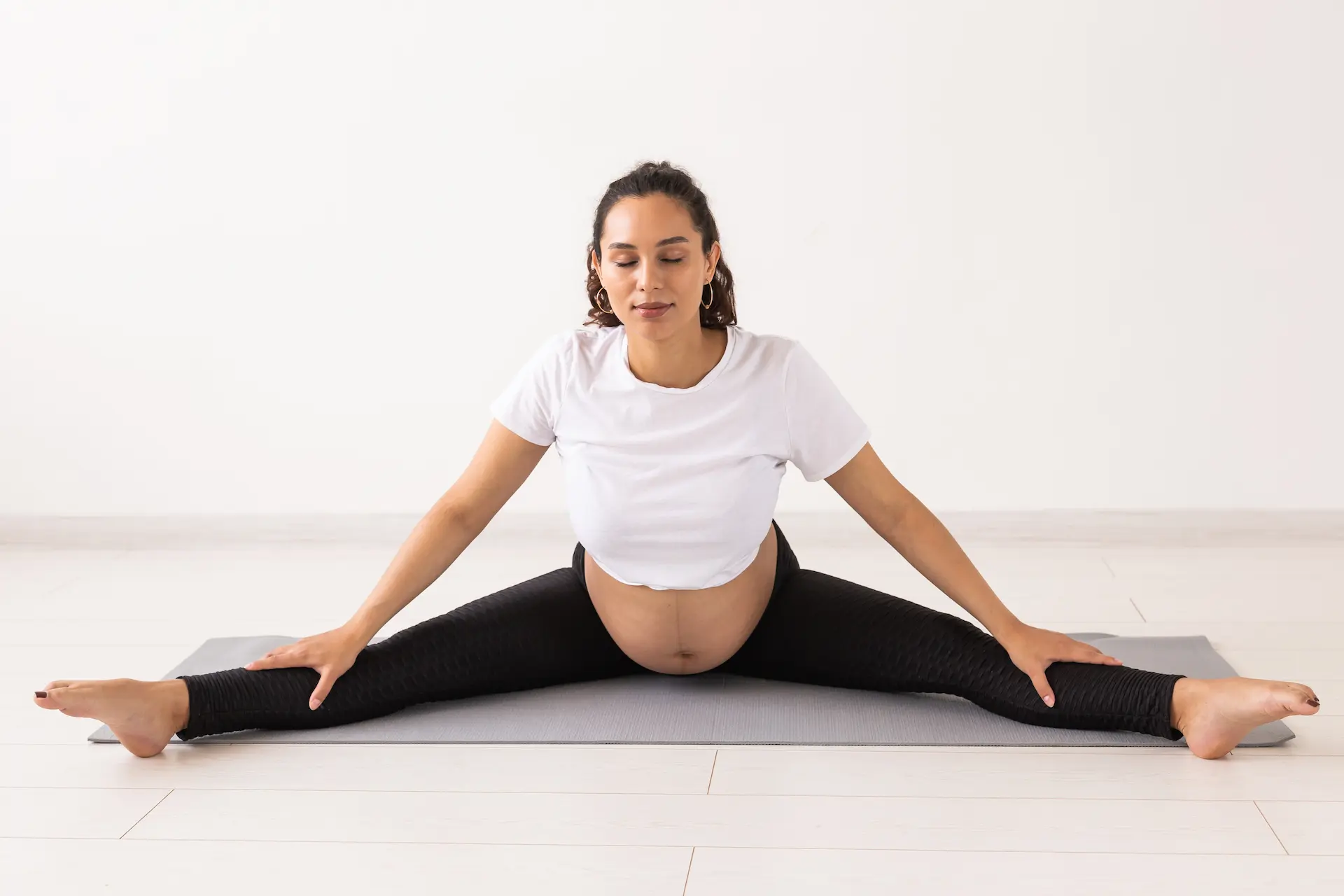
Postpartum Physiotherapy
- Pelvic floor assessment
- Treatment of perineal and abdominal scars
- Pelvic floor strengthening and recovery
- Abdominal area treatment and strengthening (diastasis recti)
- Pilates, hypopressive exercises, and postpartum gymnastics
- Dance classes with your baby
Physiotherapy for Women
- Urinary incontinence
- Overactive bladder
- Neurogenic bladder
- Pelvic organ prolapse
- Dyspareunia
- Pelvic pain and discomfort
- Lichen
- Anorectal dysfunctions
- Lubrication problems
- Sexual dysfunctions
Physiotherapy for Men
- Abdominal diastasis treatment
- Pelvic floor strengthening
- Post-prostatectomy recovery
- Urinary incontinence
- Anorectal dysfunctions
- Sexual dysfunctions